
The Root Cause Resource Library
Sleep Well, Breathe Well
A Parent's Guide to Creating a More Sleep-Friendly Bedroom
Does your child wake up stuffy, toss and turn at night, or seem tired even after a full night's sleep?
Sometimes the bedroom itself can make sleep less comfortable.
Dust, pet dander, strong scents, light, and even our bedtime routines can affect how restful the night feels.
The good news? You don't have to completely redo your child's bedroom to make a difference.
This guide will help you take a closer look at their sleep space and choose a few simple changes that make sense for your family.
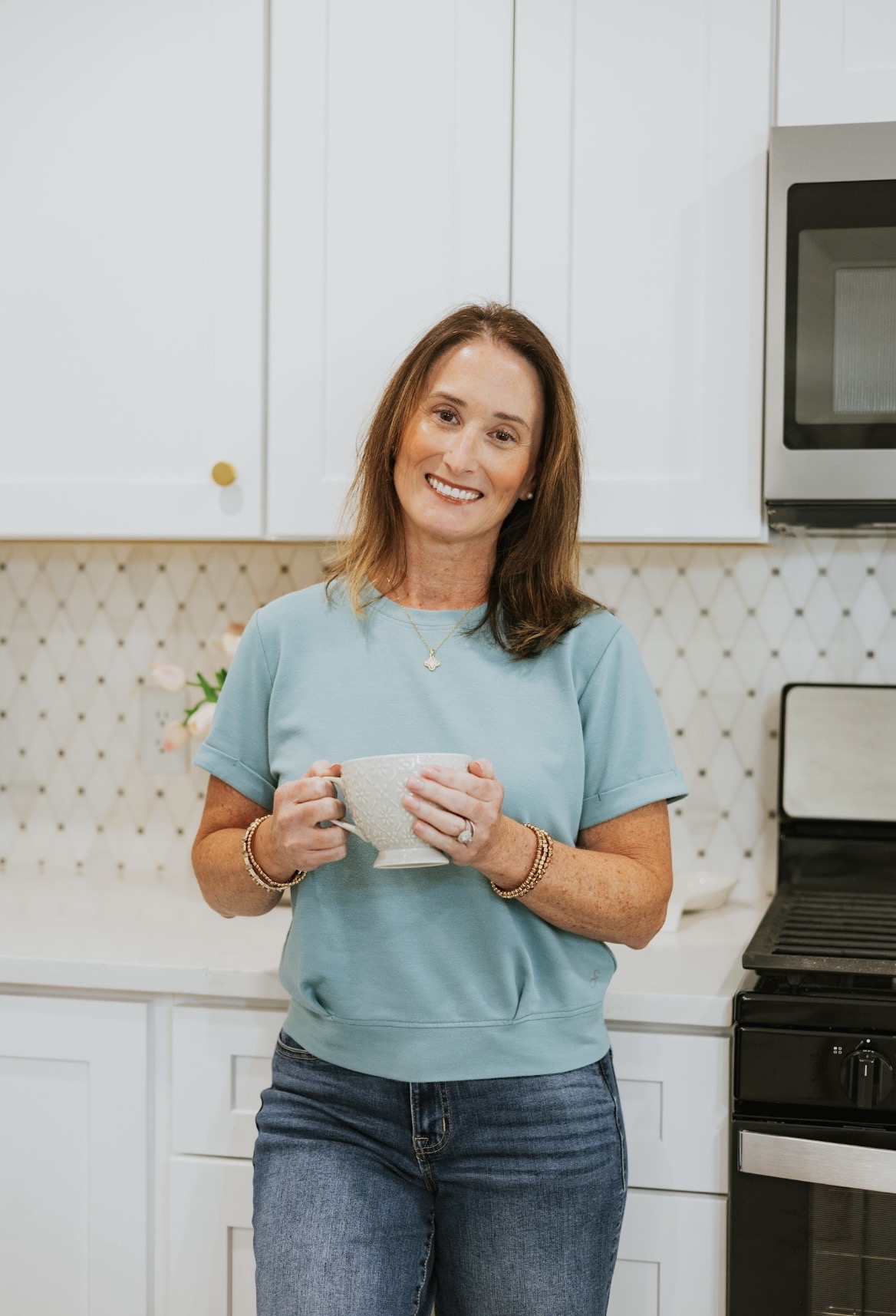
Meet your guide
Hi, I'm Amanda!
I'm Amanda Mavrakos, M.S., CCC-SLP. I'm a pediatric speech-language pathologist, an orofacial myofunctional therapist, and the owner of Salt & Light Speech-Language Resources in the Birmingham, Alabama area.
Along with my training in speech and language, I've completed additional professional training in oral habits, tongue function, tongue ties, and airway-related concerns.
In my work with families, I often encourage parents to look beyond what happens during the day. Sleep matters, too!
I created this guide to help you take a practical look at your child's bedroom and find simple ways to make it a more comfortable place to rest.
01 · Look around
What's in Your Child's Bedroom?
You might be surprised by how many everyday things can affect the air in a bedroom.
You don't need to remove everything or create a perfectly spotless room. The goal is to notice what might be making your child's sleep space less comfortable.
02 · Clean air
Let's Talk About Air Purifiers
An air purifier may help reduce some airborne particles, especially when allergies are a concern.
But here's the important part: you don't have to buy one to create a healthier sleep space.
Start with simple steps like cleaning, reducing dust, and managing moisture. If you're considering an air purifier, here's what to know.
What to look for
- A HEPA filter or independently verified particle filtration
- A unit sized for the bedroom
- A suitable clean air delivery rate (CADR)
- Quiet operation
- Affordable, easy-to-find replacement filters
- Clear maintenance instructions
What to avoid
- Devices that intentionally make ozone
- Ionizing features that may produce ozone
- Strongly scented filter attachments
- Products with exaggerated health claims
- Devices that are too small for the room
Some filters include activated carbon. Depending on the design, it may help with certain odors or gases. But it doesn't replace fresh air or removing what's causing the smell.
An air purifier is an optional tool—not a substitute for addressing allergens, moisture problems, or medical concerns.
03 · Bedtime
Little Habits That Help at Bedtime
A few safety reminders
For babies, follow safe-sleep guidelines: place them on their backs on a firm, flat sleep surface without loose bedding.
Pauses in breathing, gasping, or other worrying breathing signs need a prompt medical visit. If your child is struggling to breathe, get emergency care.
04 · Put it into action
Your Bedroom Refresh Checklist
Now let's put what you've learned into action.
Go through the checklist and choose what you've already done, what you'd like to work on, and what doesn't apply to your family.
No pressure to do it all today!
1Wash bedding regularly.
2Consider allergen-resistant mattress and pillow covers if needed.
3Wash or clean stuffed animals regularly.
4Dust surfaces with a damp cloth.
5Vacuum or clean floors regularly.
6Reduce unnecessary dust-collecting clutter.
Your choices stay on this page only. There's no score here.
05 · Your plan
Your Sleep-Space Plan
Small changes count! Here's a simple plan based on what you selected.

Things I'd like to work on
Nothing marked yet. Choose "I'd like to work on this" in the checklist above for anything you want to try.
What I'm already doing
Anything you mark "Already doing this" will show up here.
My first step this week
My Own Notes or Questions
This resource is for educational purposes only. It does not diagnose or treat any condition and does not replace individualized medical or speech-language care. Please talk with your child's healthcare provider about snoring, mouth breathing, allergies, or other sleep concerns.
Want to look a little deeper?
A Better Bedroom Is One Piece of the Puzzle.
You've taken a closer look at your child's sleep space. That's a great place to start.
But what if you've made those changes and you're still noticing mouth breathing, oral habits, or other concerns?
Sometimes there's more to explore than the bedroom itself.
That's why I created The Root Cause Course.
It's a self-paced learning experience where I bring together information about oral habits, breathing, tongue function, tongue ties, and other concerns that may overlap.
Instead of spending hours searching online, you can learn from a pediatric speech-language pathologist who works with these concerns every day.
The goal isn't to turn you into a therapist or help you diagnose your child. It's to help you understand what you're noticing, ask better questions, and feel more prepared to seek the right support.
Sometimes the next step isn't another product or another bedtime trick. It's a better understanding of the bigger picture.
One Last Thing Before You Go
You don't need a perfect bedroom or a long shopping list.
Start with one or two things that make sense for your family.
And if your child continues to snore, breathe through their mouth, or struggle with sleep, don't be afraid to ask more questions.
Better sleep is worth looking into.
With blessings,
Amanda
Amanda Mavrakos, M.S., CCC-SLP
Salt & Light Speech-Language Resources
saltandlight-slp.com
This guide is for education only. It does not diagnose or treat any condition, and it does not recommend specific products. If you have concerns about your child's breathing, sleep, or health, speak with your child's healthcare provider.